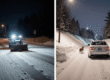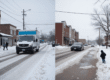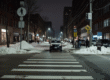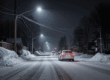

It’s mid-October, and fall is in full swing across Canada — but so are the risks.
From frost-covered highways in the Yukon to thick fog rolling over PEI, and rain-slicked roads in the Maritimes, the season is delivering more than just golden leaves. It’s bringing shorter days, colder nights, and lower visibility — and many drivers aren’t ready.
Let’s take a cross-country look at what’s happening — and why relying on headlights alone is a dangerous gamble.
❄️ Yukon & Northwest Territories: Frost, Snow & 17 Hours of Darkness
In Whitehorse and Inuvik, the sun now sets before 6 PM. Frost forms by mid-afternoon. Early snowstorms are already hitting.
- Black ice appears overnight on bridges and overpasses
- Moose and caribou are active at dawn and dusk
- Total darkness makes traditional lighting nearly useless
Drivers who relied on summer visibility are now navigating blind — and the first collisions have already been reported.
Atlantic Canada: Fog, Rain & Coastal Roll-Ins
From St. John’s to Charlottetown, coastal fog is rolling in fast — sometimes reducing visibility to just meters.
- Fog + wet roads = glare, making headlights counterproductive
- Rural roads have no streetlights or reflective markers
- Pedestrians and cyclists are harder to spot in dark clothing
In Nova Scotia, one RCMP detachment reported a 35% increase in near-misses during foggy nights compared to summer.
New Brunswick & Quebec: Rain, Slush & Sudden Storms
Moncton, Fredericton, and the Gaspé Peninsula are seeing steady rain, early slush, and sudden temperature drops.
- Rain spray from trucks reduces visibility on highways
- Leaf-covered roads hide potholes and slick spots
- Deer crossings peak in October due to mating season
And with commute times increasing, more people are driving in poor conditions — tired, distracted, and underprepared.
Prairies: Frost, Fog & Harvest Traffic
In Saskatchewan and Manitoba, farmers are working late into the night to beat the snow.
- Frost + fog forms quickly in river valleys
- Slow-moving farm equipment appears with little warning
- Wildlife moves closer to roads in search of food
A single deer strike at 90 km/h can total a vehicle — and in fog, you might not see it until it’s too late.
Southern Ontario & Urban Centers: Shorter Days, Busier Roads
Even in cities like Toronto, Ottawa, and London, the risks are rising:
- Sunset before 6:30 PM means more night driving
- Wet leaves create slippery intersections
- Pedestrian accidents increase in low light
And with Halloween and early winter holidays approaching, foot traffic will only grow.
The Solution: Smarter Vision for Smarter Driving
The answer isn’t just to drive slower — it’s to see further.
Enter Robofinity InsightDrive™, the first AI-powered thermal imaging system designed for vehicles. It doesn’t rely on visible light. Instead, it detects heat signatures, allowing it to identify people, animals, and vehicles up to 656 feet (200 meters) ahead, even in:
- Total darkness
- Heavy fog
- Falling snow
- Rain and frost
This means:
- You can spot a moose before it steps onto the road
- You can see a pedestrian in a dark coat before headlights reveal them
- You can avoid a disabled vehicle hidden in the fog
And because it works independently of weather, InsightDrive™ gives you consistent visibility — no matter where you’re driving.
The Bottom Line: Fall Isn’t Just Beautiful — It’s Demanding
Whether you’re commuting in Moncton, harvesting in Saskatchewan, or exploring in Yukon, your car should do more than just drive.
It should protect you.
Learn more about how InsightDrive™ keeps you safe across Canada
Shop now for personal use
Request a business consultation for fleets