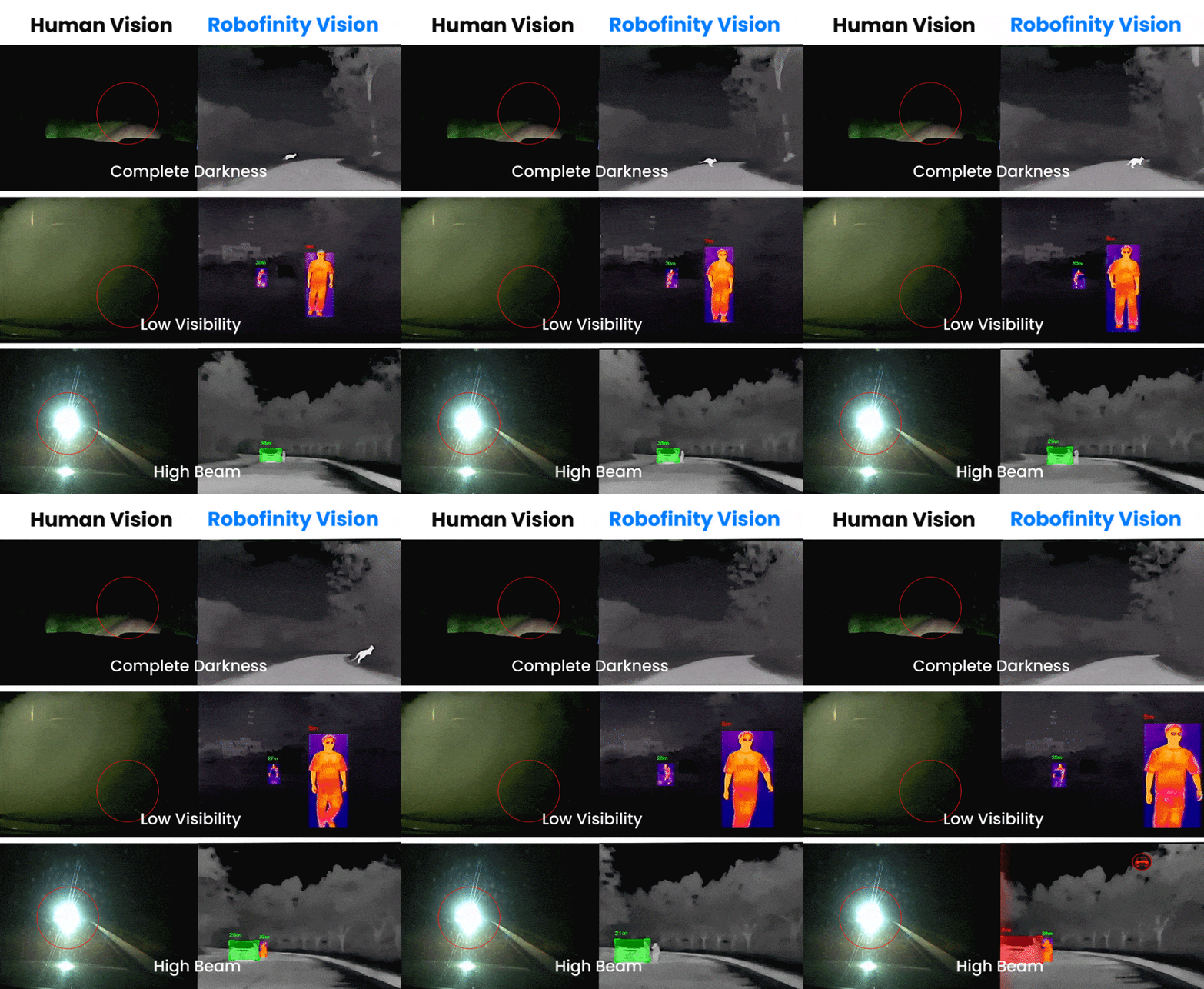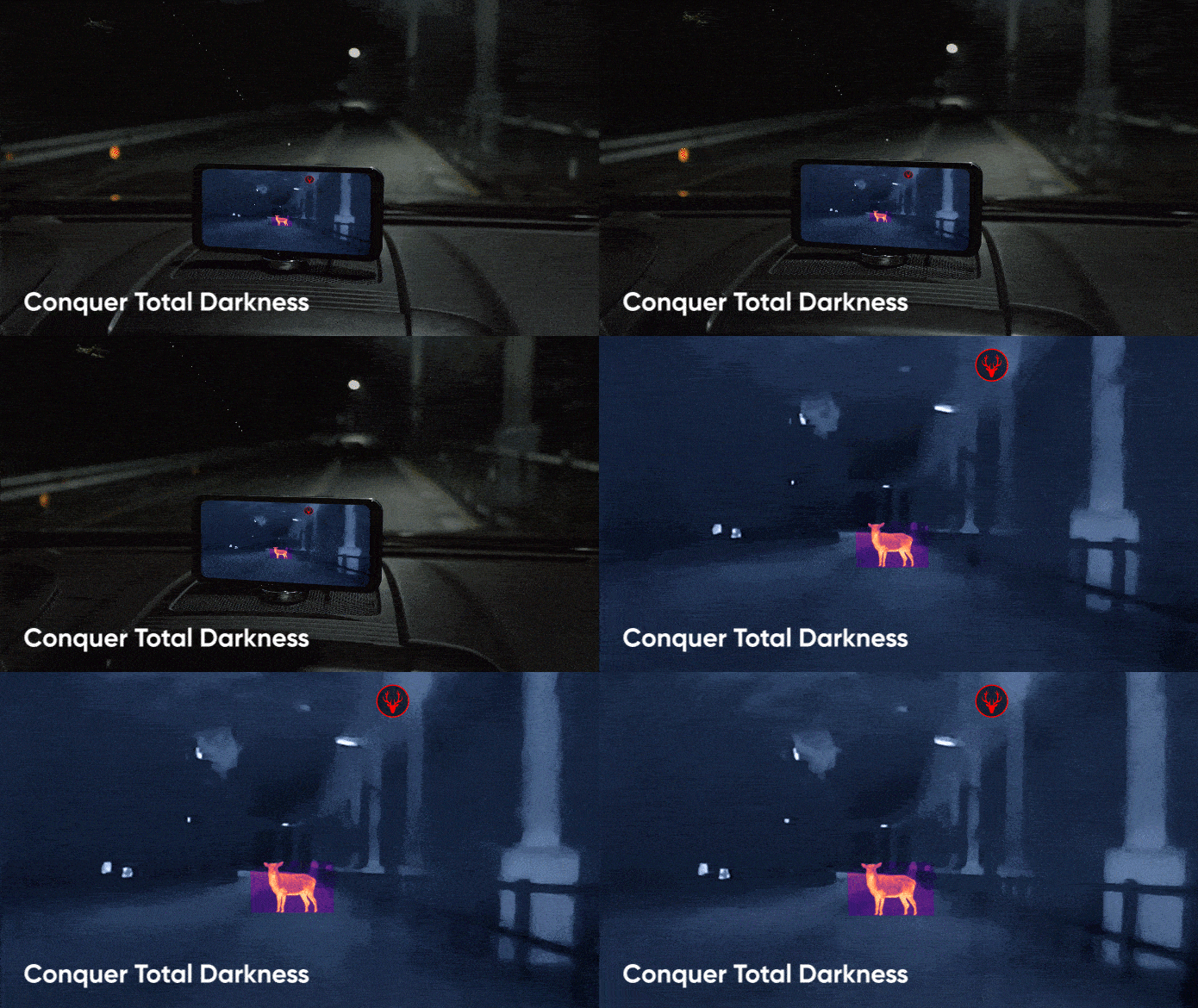
Walk onto any drilling site in Alberta’s oil sands or a pipeline corridor in Saskatchewan at 2 AM, and you’ll understand the challenge immediately. Visibility drops to near zero. Heavy equipment moves constantly. Workers cross between locations. Wildlife wander through work areas. Weather changes in minutes.
Canadian operators continue to deliver strong results despite global market volatility and evolving regulatory landscapes, but vehicle-related incidents remain one of the most persistent operational risks. With drilling activity expected to reach a 10-year high in 2025, with 6,604 wells projected to be drilled in Western Canada—a 7.3% increase from 2024, this means significantly more activity, more vehicles, and higher exposure to incidents that can shut down operations and cost millions.