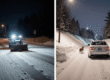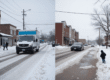

Ever wondered how miners spot danger before it’s too late? For crews working in the dark, unpredictable world of mining, every extra second matters. In places like Australia and Chile, mining companies have started using thermal vision on trucks and site vehicles to help teams spot people, equipment, and wildlife—even when visibility drops to almost zero. Now, Canadian mining operations are adopting the same approach, and it’s already making a difference.
Why It Matters for Mining
Imagine you’re driving a haul truck before sunrise, or you’re on a narrow access road after a long shift. It’s easy to miss someone on foot or a vehicle stopped around a blind corner. With thermal vision, drivers get instant alerts when something—or someone—unexpected is nearby. This means fewer close calls, more peace of mind, and safer shifts for everyone.
What Crews Are Saying
In Chile, a mine supervisor told us, “We used to rely on radios and spotters, but now thermal cameras help us see what’s ahead, even in dust or fog.” Canadian teams are finding the same: it’s not just about high-tech gadgets, but about getting everyone home safely.
How It Works
-
Quick Setup: The system mounts to most mining trucks and utility vehicles in less than half an hour.
-
All-Weather: Whether it’s dust, fog, snow, or pitch darkness, thermal vision keeps working.
-
Instant Alerts: Drivers see and hear warnings as soon as a person, animal, or vehicle is detected nearby.
Responsible Use
Thermal vision is an extra set of eyes, not a replacement for training or safety checks. It helps crews stay alert and avoid surprises, but it works best when everyone’s looking out for each other.
Want to see how it could work for your team?
Explore Mining Use Cases | Shop Now