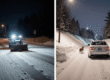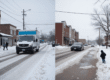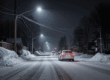

After decades of progress, Canada is seeing a concerning rise in road fatalities. In 2022, deaths increased by 6%, followed by another 4% in 2023—the first back-to-back increases in thirty years. These numbers are especially troubling in rural regions, where collisions are three times more likely to be fatal compared to urban areas. Manitoba, for example, saw a 22% spike, while Ontario reported its highest fatality count in 15 years.
Several factors drive this trend: higher speeds on rural roads, limited street lighting, longer emergency response times, and unpredictable wildlife crossings. As Canadians adapt to post-pandemic driving patterns, new risks are emerging, and traditional safety measures are being tested like never before.
Canada’s Road Safety Strategy 2025 aims for zero fatalities and serious injuries, emphasizing the importance of advanced vehicle safety technologies. One of the most promising solutions is AI-powered thermal imaging. Unlike standard headlights or dashcams, thermal imaging detects the heat signatures of animals, pedestrians, and obstacles—revealing dangers hidden by darkness, fog, or snow.
Robofinity’s AI thermal imaging system is designed with these Canadian challenges in mind. It gives drivers the power to spot hazards earlier and react faster, especially in high-risk rural or low-visibility conditions. For under $1000, it’s an investment in proactive safety that supports the national vision of safer roads for everyone.
As road safety challenges evolve, so must our solutions. By adopting advanced technologies like AI thermal imaging, Canadian drivers can help reverse the recent rise in fatalities and make every journey safer.
Learn more at robofinity.ca