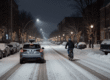

Winter in Canada brings some of the world’s most challenging driving conditions. Snow, ice, freezing rain, black ice, and sudden fog are common hazards that contribute to nearly 30% of car accidents across the country. December and January are especially dangerous, with insurance claims spiking by 49% and single-vehicle collisions most common during these months. Reduced daylight, sudden whiteouts from lake-effect snow, and the presence of black ice—often invisible to drivers—make winter roads particularly treacherous.
Wildlife collisions are also a significant concern. Moose, deer, and elk are active year-round, but winter conditions make them harder to spot, especially at night or in poor visibility. These collisions can be deadly, given the size of Canadian wildlife and the speeds on rural highways.

How Thermal Imaging Helps Canadian Drivers
Thermal imaging car cameras, such as the Robofinity InsightDrive, offer a technological advantage for Canadian winter driving. Unlike traditional headlights, which struggle to penetrate snow, fog, and darkness, thermal cameras detect heat signatures, allowing drivers to see animals, pedestrians, and vehicles well before they are visible to the naked eye.
Key benefits for Canadian conditions include:
Early Wildlife Detection: Thermal cameras can spot large animals like moose or deer up to 200 meters ahead, even in pitch darkness, fog, or blowing snow. This gives drivers more time to react and avoid collisions.
Enhanced Visibility in Fog and Snow: Thermal imaging cuts through dense fog, whiteouts, and heavy snow, outlining vehicles, people, and obstacles that would otherwise be hidden.
Black Ice and Road Hazards: While thermal cameras do not detect ice itself, they can highlight stranded vehicles or pedestrians on icy roads, helping prevent secondary accidents.
No Glare Issues: Unlike standard night vision systems, thermal cameras are not affected by glare from headlights or wet road reflections, maintaining a clear image in all conditions.
Extreme Cold Performance: Devices like the Robofinity InsightDrive are designed to operate reliably in Canadian winter temperatures, from -30°C to 70°C, and are unaffected by sunlight glare.

Robofinity InsightDrive: Features for Canadian Drivers
The Robofinity InsightDrive is a plug-and-play thermal imaging camera designed for easy installation, typically under 15 minutes, with no specialized wiring required. It uses advanced AI to differentiate wildlife from static objects, reducing false alarms. The system is legal for use as a driver assistance tool in Canada, though drivers should check local regulations regarding audio recording.
Real-World Impact
Canadian drivers face more than 100,000 injuries and nearly 2,000 fatalities annually from motor vehicle collisions, with winter weather a leading factor. By providing early warnings of wildlife and improving visibility in the worst conditions, thermal imaging systems like the Robofinity InsightDrive can help reduce these numbers and make winter roads safer for everyone.

Summary
Canadian winters demand more than just good tires and defensive driving. With the persistent risks of wildlife collisions, black ice, and sudden visibility loss, thermal imaging technology offers a crucial layer of safety, helping drivers see hazards before they become tragedies. The Robofinity InsightDrive stands out as a practical, effective upgrade for anyone facing the realities of Canadian winter roads.