
It was late October on the Gaspé Peninsula — shoulder season for explorers.
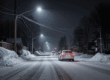
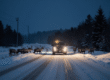
A small team was returning from a weekend of photography in the Chic-Choc Mountains. The sky had turned gray by 5:30 PM. Rain began to fall, then mix with sleet. The road, already narrow and winding, became slick and obscured by fog rolling in from the coast.
They didn’t see the moose — but they didn’t hit it.
“I didn’t slam the brakes,” says one driver. “I just… lifted off the gas. Slowed down like something felt wrong. Two seconds later, a massive moose stepped out — right where I would’ve been at full speed.”
They passed safely. No damage. No injuries.
But the moment stayed with them.
“I’ve driven these roads for years,” they say. “And never had that kind of instinct before. It was like the car knew.”
The Hidden Dangers of Gaspé Exploration
The Gaspé Peninsula is one of Canada’s most breathtaking regions — but also one of the most unpredictable for off-road drivers after dark.
- Coastal fog forms rapidly, reducing visibility to under 20 meters
- Rain and sleet create glare and hydroplane risk
- Narrow, cliff-side roads offer no room for error
- Wildlife activity peaks in fall, especially moose and black bears
And with no cell service, no streetlights, and long distances between towns, a single mistake can become a multi-hour ordeal — or worse.
“I’ve seen vehicles off the road near Cap-Chat,” says a local guide. “Not because drivers were reckless. Because the fog lies. It hides what’s right in front of you.”
A New Kind of Instinct
After the incident, the driver started asking questions.
“I didn’t react to anything I saw,” they say. “No shape, no movement. But the car gave me a subtle cue — a slight resistance in the pedal, a soft alert tone. It was enough to make me slow down.”
They later learned their vehicle was equipped with AI-powered detection technology — scanning the road ahead using heat signatures, identifying people, animals, and vehicles up to 656 feet (200 meters) ahead, even in total darkness, fog, or rain.
“It wasn’t magic,” they say. “It was awareness — delivered in a way that didn’t distract, but protected.”
Business Impact: Safer Expeditions, Smarter Decisions
Adventure tour operators in Gaspé, Murdochville, and Forillon National Park are increasingly adopting the technology for:
- Guided fall and winter trips
- Remote access missions
- Safety-critical recovery routes
“Clients feel safer,” says a fleet manager. “And our incident reports have dropped to zero since upgrading.”
It’s not just about avoiding wildlife. It’s about avoiding isolation — by preventing collisions, breakdowns, and delays in extreme conditions.
Why Gaspé Explorers Need Smarter Vision
The peninsula demands more than brighter lights:
- Sudden weather shifts catch drivers off guard
- Dense forest and coastal terrain hide animals and obstacles
- Remote trails offer no backup
- Long nights mean limited visibility for most of the day
Advanced systems detect heat signatures, identifying people, animals, and vehicles even when traditional lighting fails.
The Bottom Line: Adventure Shouldn’t Mean Blindness
For Gaspé explorers, the wild is the draw — not the danger.
But in extreme conditions, visibility is survival.
As one driver put it:
“We didn’t come here to test our brakes. We came to experience the coast, the mountains, the silence. And now, we can — safely.”
Learn more about how AI-powered vision keeps off-road adventurers safe
Shop now for personal use
Request a business consultation for expedition fleets